
After the historic Democratic wins in the 2026 midterm elections, many of us are feeling more hope, joy, and excitement than we have in a long time. For a long while, we'd been carrying anxiety, stress, grief, overwhelm, numbness, and dissociation. This week, I've heard client after client say they didn't realize how heavy and tense they'd been until these results brought relief and a long, deep exhale.
Here are some of the highlights:
Keisha Lance Bottoms became the first Black woman elected governor in United States history, in Georgia.
Here in Michigan, Abdul El-Sayed became the first Muslim ever elected to the U.S. Senate.
Gina Hinojosa became the first Latina governor of Texas.
Peggy Flanagan, a citizen of the White Earth Band of Ojibwe, became the first Native American woman elected to the U.S. Senate, representing Minnesota.
New Hampshire elected Chris Pappas, the first openly gay man elected to the U.S. Senate.
Deb Haaland, a member of the Laguna Pueblo, became the first Native American woman elected governor of any state, in New Mexico.
California elected its first Latino governor, Xavier Becerra.
Jocelyn Benson and Winnie Brinks became the first all-female ticket elected governor and lieutenant governor in Michigan.
Juliana Stratton joins Tammy Duckworth to make Illinois the first state represented in the Senate by two women of color at the same time.
Allison Montgomery became Alabama's first openly transgender state legislator, flipping a Republican-held district near Huntsville.
In state after state, even in races the Democratic candidate didn't win, voters shifted to the left.
Inspired by Pleasure Activism by adrienne maree brown, I invite you to pause and notice how your body feels after this week's wins. Lighter? More open? Maybe just a little less tense? Savor that. Enjoy it. We get to anchor into this feeling for now.
But the election is just the beginning. There is still work to be done if we want to see these campaign promises come to life: a lower cost of living, Medicare for All, ending the war in Iran, ending the genocide in Gaza, ending blatant political corruption. All of this will take energy through the inevitable setbacks of our slow-moving political system.
The progress we're seeing, especially in traditionally red states like Texas, South Carolina, Mississippi, and Alaska, is the result of years of grassroots organizing and refusing to give up when things seemed hopeless. (A special shout-out to the Black women organizers out there, because we would not be where we are this week without you.)
Which raises the question: how do we sustain this energy for the long haul without burning out?
Enter: nervous system regulation.
Nervous System 101
"Nervous system regulation" has become quite the buzzword (buzzphrase?) on social media in recent years. Overall, I think its popularity is a net positive. Still, there are a few things people tend to get wrong.
What nervous system regulation is NOT: being zen all the time
Online, I see regulation framed as a miracle cure for feeling happy and peaceful all the time, or used as a way to sidestep difficult, uncomfortable emotions. It's tempting to think life would be easier if we could stay calm no matter what. But that's not only unrealistic, it's unwise. Read on to see why.
What nervous system regulation IS: moving with ease between activation and rest
A regulated nervous system is a responsive nervous system. To protect ourselves from real threats, we need to be able to mobilize (what we often call "fight or flight"). And when the threat passes, we need to be able to settle back down into rest, connection, and repair.
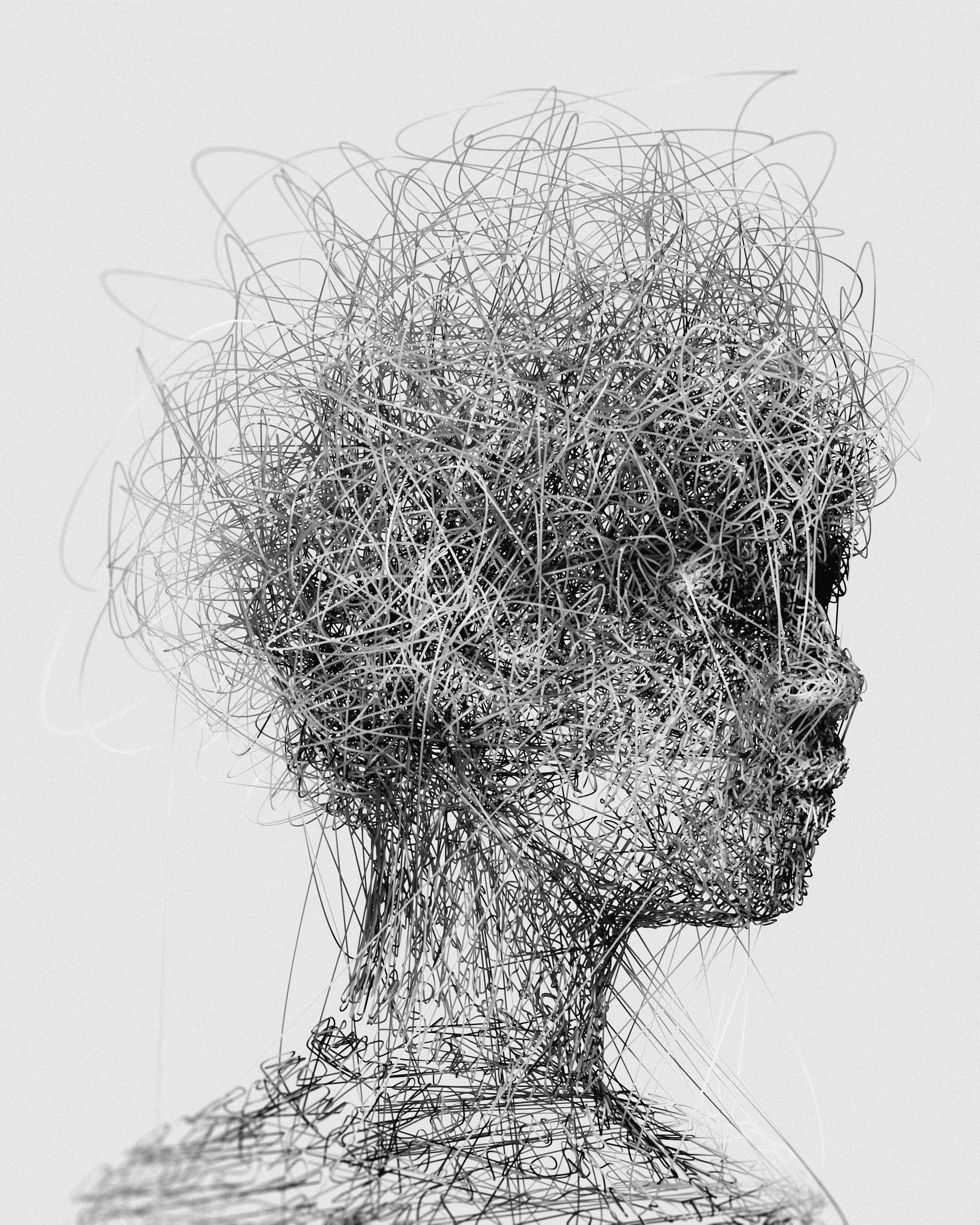
Think of the pedals on a car. We want to be able to accelerate and brake as needed. When we live in chronic stress, the gas pedal gets stuck. When we live in chronic shutdown, the brake gets stuck. Here's what each can look like in the body and mind.
When the gas pedal is stuck (chronic sympathetic activation):
Anxiety and racing thoughts
Hypervigilance, constantly scanning for the next bad thing
Panic
Irritability and a short fuse
Aggression
Trouble sleeping, a tight jaw, shallow breath
When the brake is stuck (chronic shutdown, or "freeze"):
Numbness, feeling flat or far away
Exhaustion that sleep doesn't fix
Brain fog and trouble concentrating
Hopelessness and "what's the point?"
Pulling away from people
Dissociation, or "checking out"
If you've spent the past couple of years bouncing between doomscrolling panic and a heavy, numb fog, you're not broken. Your nervous system has been doing exactly what it was built to do under prolonged threat.
Nervous System Regulation Basics
Regulation isn't built in one big overhaul. It's built in small, repeated moments of noticing where you are and offering your body a little of what it needs. Here are some places to start.
Start by noticing
Before you try to change anything, get curious about where you are right now. Is your heart racing, your jaw clenched, your mind spinning? That's the gas pedal. Do you feel heavy, foggy, far away? That's the brake. Or do you feel steady enough, open enough, present enough to connect? That's the sweet spot we keep returning to.
Try naming it simply: "I'm activated right now." "I'm checking out." Naming a state without judging it helps your thinking brain come back online. Deb Dana's work (Anchored, in the resources below) offers a lovely way to map your own patterns over time.
When the gas pedal is stuck
When you're anxious, wired, or on edge, the goal is to let your body know the immediate danger has passed, and to give all that mobilized energy somewhere to go.
Lengthen your exhale. Breathe in for a count of four and out for a count of six to eight. A longer exhale is one of the quickest ways to signal your heart to slow down. You can also try a physiological sigh: two short inhales through the nose, then one long, slow exhale through the mouth.
Orient to the room. Slowly turn your head and let your eyes wander. Notice colors, shapes, the light, the exits. Let your gaze land on something pleasant and rest there for a few breaths. This tells the oldest parts of your brain, "Right here, right now, I'm okay."
Move it through. Stress hormones are meant to fuel action. Shake out your hands and legs, go for a brisk walk, dance in the kitchen, or push your palms firmly against a wall. As Emily and Amelia Nagoski write in Burnout, we need to complete the stress cycle, not just think our way out of it.
Ground through your body. Press your feet into the floor and feel the earth holding you. Let the chair take your full weight. Place one hand on your heart and one on your belly, and feel the warmth of your own touch.
When the brake is stuck
Shutdown is the body's way of conserving energy when a threat feels too big to fight or flee. The way out is slow and gentle. Trying to leap straight from collapse into high-intensity action usually backfires.
Start with tiny movements. Wiggle your fingers and toes. Roll your shoulders. Stretch like a cat. Small motion tells your body it's safe to come back.
Wake up your senses. Sip a glass of cold water, smell something bright like citrus or peppermint, step outside and feel the air on your skin. Notice the temperature, the texture, the sound.
Use your voice. Hum, sing, sigh out loud, or chant. The vibration in your throat and chest is a gentle, direct way to invite your body toward safe activation.
Reach toward one safe person. Send a text, make a short call, sit in a room near someone you trust. You don't have to talk about anything. Connection itself is medicine.
Collect glimmers
Deb Dana uses the word "glimmers" for the opposite of triggers: small moments that spark a sense of safety, joy, or connection. Morning light through the window. A dog's wagging tail. A neighbor's wave. The first sip of coffee. Glimmers are easy to miss, especially when we're braced for bad news, so practice looking for them on purpose. The more you notice them, the more you'll find.
Little and often
A few minutes of regulation, several times a day, will serve you far better than an hour once a week. Pair these practices with things you already do: a long exhale at every red light, orienting while your coffee brews, a hum in the shower. Over time, your nervous system learns the way back to steady ground, and the path gets easier to find.
And if you find yourself stuck no matter what you try, that isn't a personal failure. It's information. Sometimes our bodies are holding more than we can untangle alone, and that's exactly what trauma-informed, somatic support is for.
Why Nervous System Regulation Matters Now
Just as regulation won't make us feel zen all the time, the point is also NOT to soothe ourselves so we can go back to business as usual and look away from the atrocities in the world. Instead, we're helping our bodies and brains channel energy into where it's actually needed.
Long-term activism and resistance require long-term strategies for caring for ourselves, caring for our communities, and preventing burnout. Regulation isn't a one-time, check-it-off-the-list kind of thing. It's a practice: something we return to over and over until it becomes easier with time.
Other Ways to Stay Present and Grounded
We often think of regulation as an internal, individual practice, but there are lots of other ways to care for yourself and your nervous system.
Remember your "why." A strong foundation for long-term activism starts with knowing why it matters to you. Maybe there are kiddos in your life you want to build a better world for. Maybe you're tired of watching friends and family struggle. Maybe your values simply call you to act. Whatever it is, your "why" is the thing to return to again and again when you're exhausted.
Lean into relationships. Our movements are built on our relationships. Co-regulation, borrowing the steadiness of someone else's nervous system to settle our own, is just as important as self-regulation, and sometimes even more effective. Our people help us orient toward joy, fun, laughter, and hope, all things we need to stay buoyant when the going gets tough.
Prioritize rest. This may sound obvious, but none of us can go full speed all the time. That's a recipe for burnout, and I promise you, your body will eventually rebel. Rest is resistance. Rest says, "I'm in this for the long haul." Rest accordingly.
Stop scrolling. It's no secret that our phones are stealing our attention. The endless scroll makes us feel like we're doing something active when we're actually being passive. Set limits on your scroll time (this could be a whole other blog post 😅) so you can save your energy for what matters most.
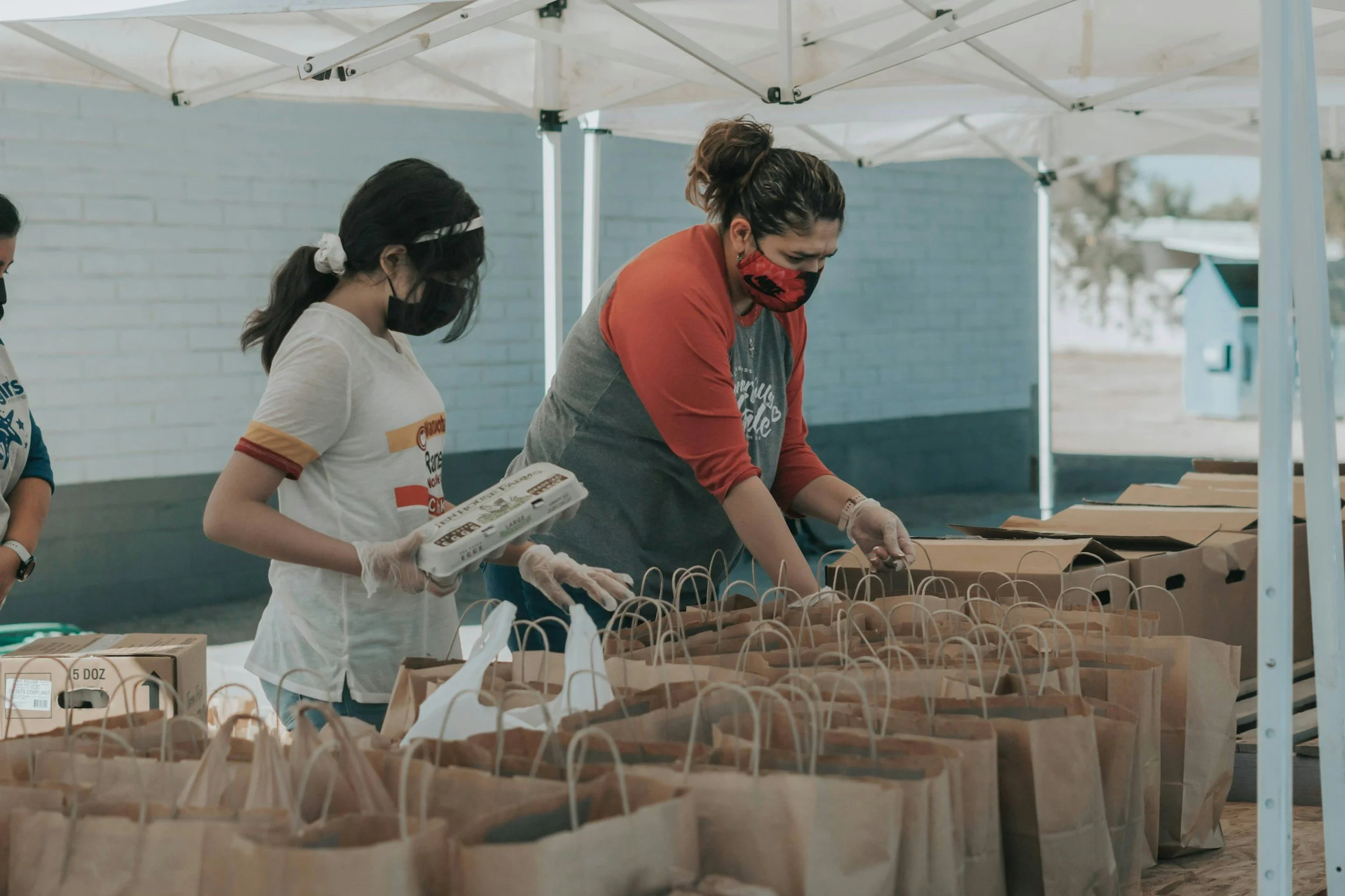
Do something, big or small, in your local community. Action is the antidote to hopelessness and despair. When large-scale action feels too big or overwhelming, think smaller. Our street, our neighborhood, our town: these are all places that could use our presence. Say hi to your neighbors, pick up trash in your local park, or volunteer with an organization near you.
Celebrate wins. There will be setbacks on this road. American politics can feel like a slog of one step forward, two steps back. To persevere, we have to celebrate victories wherever we find them. A win is a win, so keep a record of progress, big and small, local and national. (I keep a running note on my phone.)
Create something. In the musical Rent, the song "La Vie Bohème" makes the case that creation, not peace, is the true opposite of war. Creativity and art are the very essence of life, the antithesis of the hatred, cruelty, and small-mindedness of the Trump administration. Music, painting, drawing, writing, coloring, cooking, baking, knitting, crocheting, woodworking: invest some time in making something and see where that energy leads you.
Go back to the basics. Whenever we feel overwhelmed to the point of inaction, I always come back to the fundamentals. Are you getting enough sleep? If not, start there. Are you drinking enough water? Eating enough, and especially eating nourishing foods? Moving your body regularly? These may sound simple, but focusing on the basics for a little while can help you feel more like yourself and give you the footing to take the next step.
Resources
Sharing these resources isn't a blanket endorsement of everything these folks have ever said or done. As with anything I share, take what you like and leave the rest.
Books*
Mutual Aid: Building Solidarity During This Crisis (and the Next) by Dean Spade
The Care Manifesto: The Politics of Interdependence by The Care Collective
Social Justice for the Sensitive Soul: How to Change the World in Quiet Ways by Dorcas Cheng-Tozun
The Serviceberry: Abundance and Reciprocity in the Natural World by Robin Wall Kimmerer
Pleasure Activism: The Politics of Feeling Good by adrienne maree brown
Emergent Strategy: Shaping Change, Changing Worlds by adrienne maree brown
How We Show Up: Reclaiming Family, Friendship, and Community by Mia Birdsong
Anchored: How to Befriend Your Nervous System Using Polyvagal Theory by Deb Dana
Podcasts
Articles/Videos
News
Community Organizing
Your local Indivisible chapter
*I am bookshop.org affiliate and I will make a small commission on book purchases made through these links.
You Don't Have to Do This Alone
The work ahead is long, and none of us were meant to carry it by ourselves. If you're ready to build a steadier relationship with your nervous system, I'd love to walk alongside you.
Join HOME || BODY. My virtual somatic group is a place to practice regulation in real time, in community, with others who are also learning to come home to their bodies. Co-regulation isn't just a concept here; it's something you'll feel. Learn more and join HOME || BODY.
Work with me one-on-one. If you're feeling stuck in overwhelm, numbness, or burnout, individual somatic therapy and EMDR can help you untangle what your body has been holding. Reach out to start the conversation.
And in the meantime: take a long exhale, find a glimmer, and let yourself enjoy this win. You've earned it. We'll need you rested for what comes next.